Virtual Museum Gallery


A selection of images from Hillingdon Museum's archive

A selection of images from Hillingdon Museum's archive

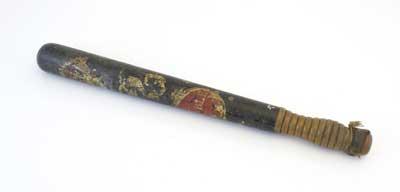
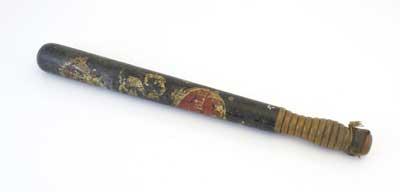
  • The handle is ringed which makes it easier to grip. It is painted with a crown at the upper end and the word constable. By the end of the 19th Century a constabulary in each town was mandatory. Truncheons were used to restrain offenders or self-defence.
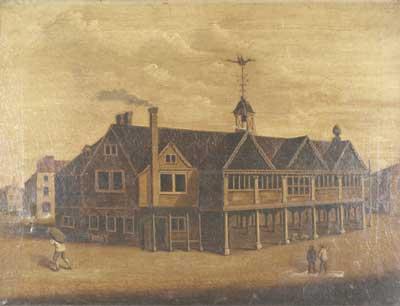
  • Originally accessioned as a painting of Uxbridge Market House, but subsequent notes in a noteback cataloguing paintings, casts doubt on this. Until the 19th Century the prosperity of Uxbridge depended on its market.
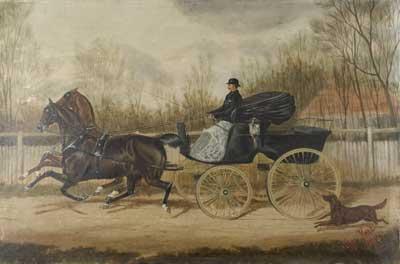
  • Unframed oil painting of W Marshall driving a horse drawn carriage, dated 1883. W Marshall was the innkeeper of the Railway Arms in Vine Street. Originally a beer-house called The Swan. It was renamed The Railway Hotel in 1856.
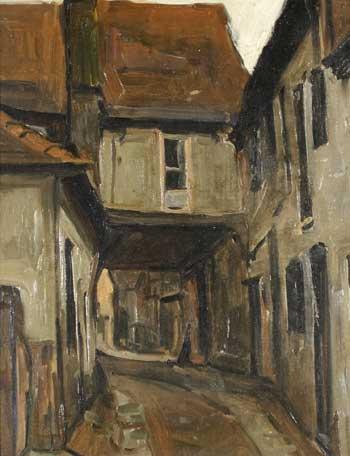
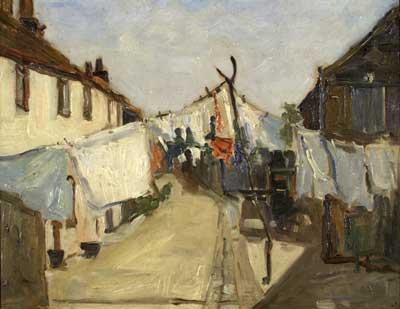
  • Framed oil painting of New Inn Yard, Windsor Street, Uxbridge by Maud Ireland Button, pre-1914. Maud was born in 1877, the daughter of Alfred Button, grocer, of Uxbridge. Her brother, Howard S. Button, founded the Budgen grocery chain.
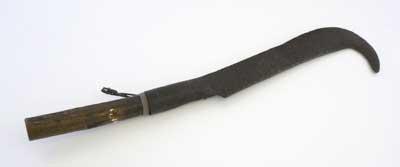
  • Metal billhook with wooden handle, undated. The billhook is a traditional agriculture tool used for cutting shrubs and branches and it was once made by the local blacksmith. There are many types and the shape depends on which part of the UK it comes from.
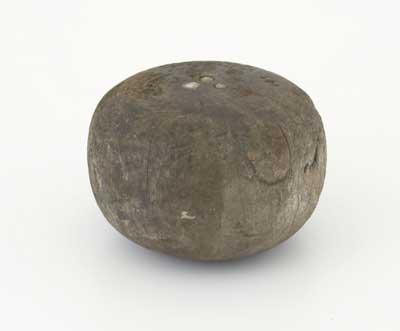
  • Ten-pin bowling ball made of wood and with three nail heads in centre of either end.      Used in a bowling alley in an Uxbridge inn, probably around 1860. The first bowling ball materials were made of wood, especially oak.
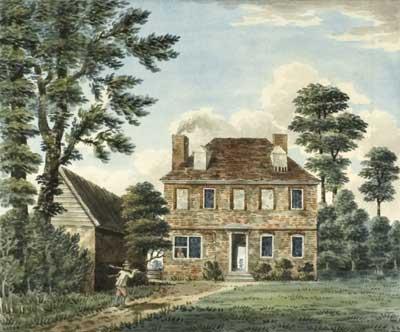
  • Framed and glazed watercolour of Cowley Hall, dated 1801. The house was rebuilt shortly after this picture was painted and finally demolished in 1929. Cowley recreation ground now occupies the site.
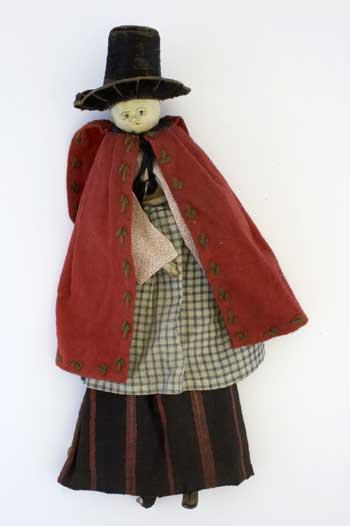
  • Wooden doll wearing Welsh national dress, circa 1850. Wearing a pink patterned dress, blue gingham skirt and red cloak, and a tall black hat. Separate brown and red striped skirt. Two detached legs covered in brown knitted stockings, one without a shoe.
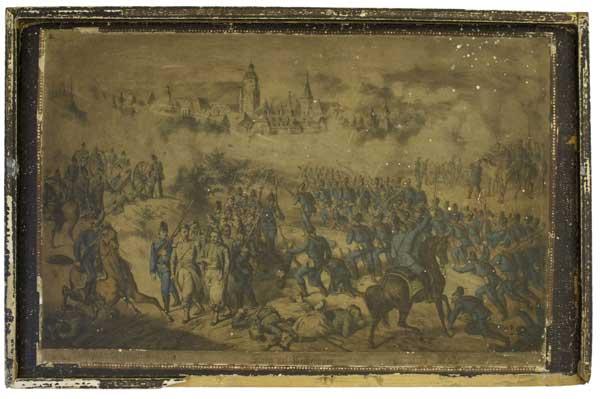
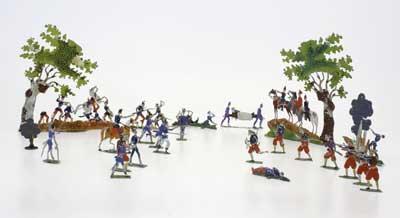
  • Victorian tin toy soldiers in a box depicting the Battle of Weisenburg on the lid. The Battle of Weisenburg was fought on August 4, 1870, during the Franco Prussian War. The soldiers are in the uniforms of Prussian and French cavalry and French Zouaves.
  • Victorian tin soldiers in the uniforms of the Prussian cavalry, the French cavalry and the French Zouaves.
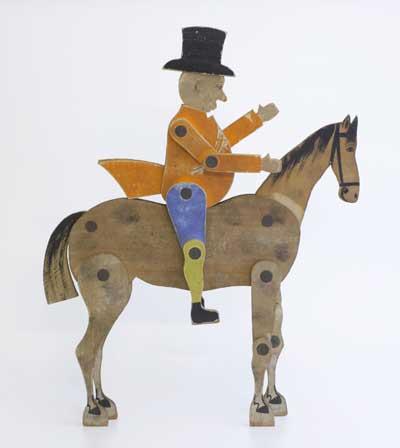
  • Mid-19th century model of John Gilpin, an 18th Century London drapper, celebrated by poet William Cowper in The Diverting History of John Gilpin, which is based on a story that Cowper heard from a friend.
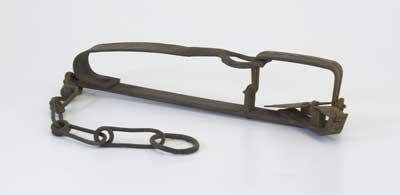
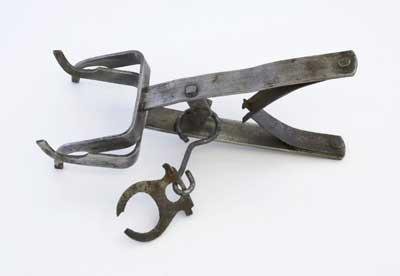
  • A metal trap for snaring small animals and vermin, with closing jaws and attached length of chain. The prey animal was lured with bait placed near the jaws of the trap (situated on the right of the picture) before the trap was triggered.
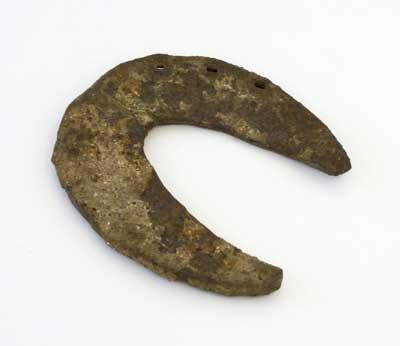
  • Broad horseshoe - a flat metal plate nailed to the base of a horse's hoof for its protection - this example is 4cm wide at its widest point.

The game of horseshoes involved tossing horseshoes at a stake in the ground.
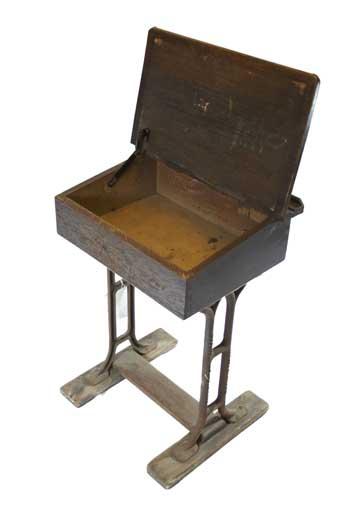
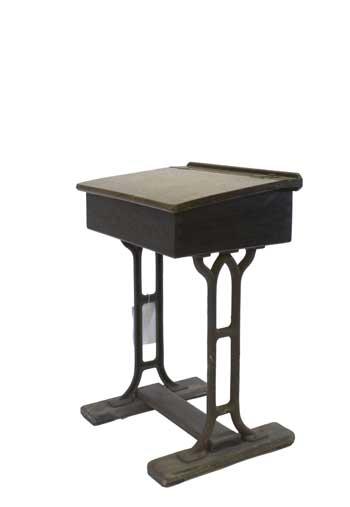
  • Victorian school desk with hinged lid, inkwell with brass cover and metal legs, made by C E O M Hammer & Co - school furnishers. The Victorian classroom layout was designed with rows of desks facing the front, towards the blackboard and the teacher.
  • Victorian desks were small and wooden, as were the chairs. The lids flipped up and inside the desks were books, medals, certificates, dictionaries, atlases and pencil cases. Children would receive certificates and medals for good work and behaviour.
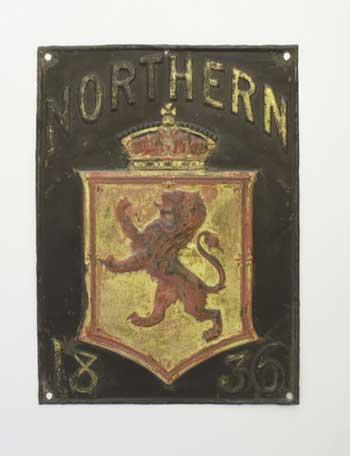
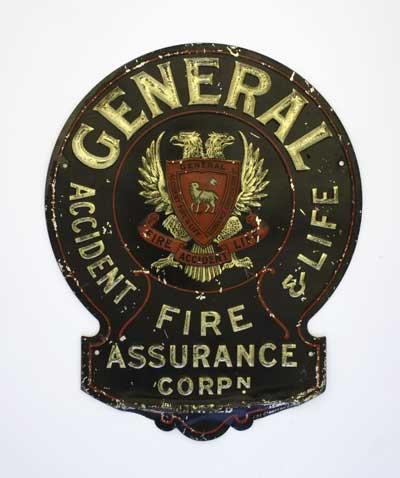
  • The Northern Assurance Company was established in Aberdeen in 1836 and its brand was a lion. Fire insurance marks were lead or copper plaques embossed with the sign of the insurance company, placed on the front of the insured building.
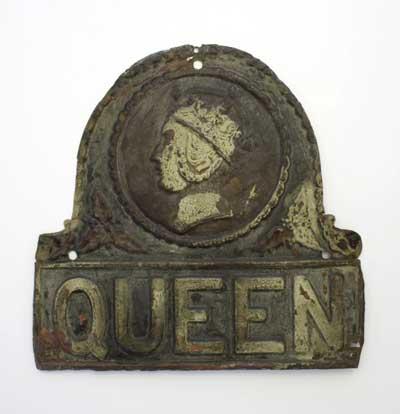
  • The Queen Insurance Company was established in 1857 and its brand was a portrait of the young Queen Victoria. Fire insurance marks were lead or copper plaques embossed with the sign of the insurance company and placed on the front of the insured building.
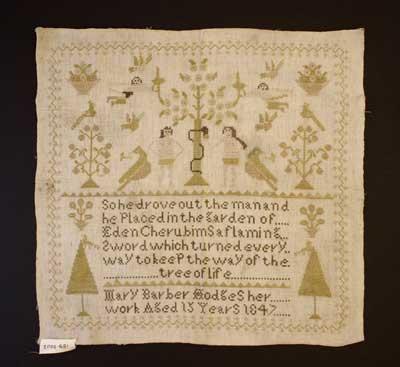
  • Embroidered sampler depicting Adam and Eve and the serpent, the Tree of Life, cherubims and birds. This sampler was embroidered by Mary Barber Hodges at aged 15 in 1847.
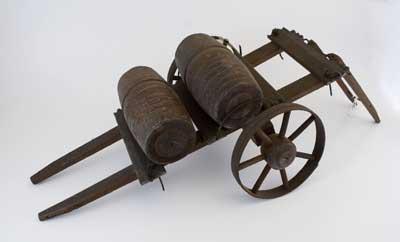
  • Mid-19th Century model of a two-wheeled cart with two barrels.
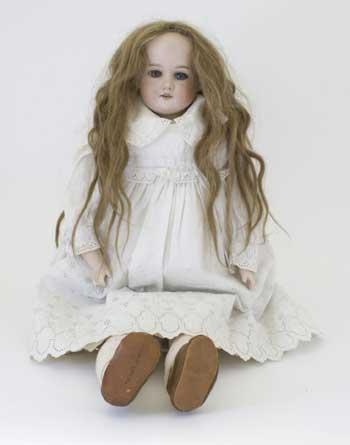
  • Doll with ceramic face arms and legs, and long blonde hair, circa 1910. She is about 64cm tall and is dressed in a white broiderie Anglais dress, cotton socks and brown leather shoes. Probably made from bisque, the fashionable material for dolls.
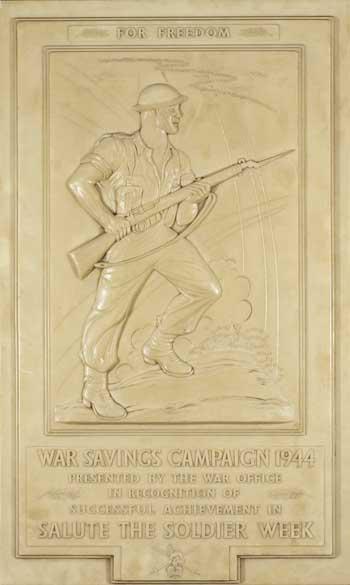
  • 'Salute the Soldier Week' plaque with relief image of a soldier with a gun with fixed bayonet. These plaques were given as rewards to local councils by the War Office during World War Two for successful fundraising efforts.
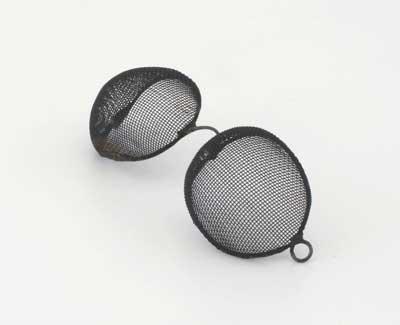
  • These domed mesh goggles were worn by inmates of Hillingdon Workhouse to protect their eyes when breaking stones. When it was built in 1728, those too old, too young or too sick to take care of themselves were taken into the workhouse in Lynch Green.
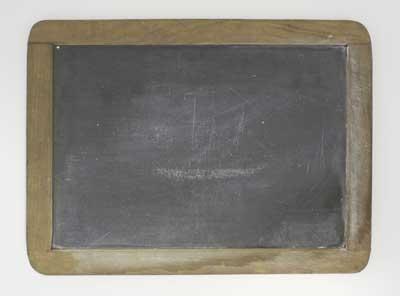
  • School writing slate used circa 1905 at New Windsor Street Infants School.
In Victorian times paper was very expensive, therefore school children wrote on slabs of slate, which were less expensive and more durable, with pencils made of soft slate.
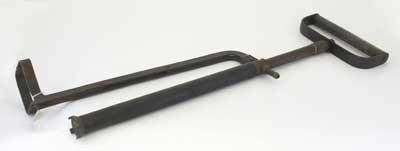
  • This stirrup pump was used by Air Raid Wardens and Fire Guards for fighting fires caused by incendiary bombs dropped by German planes. The pump was placed in a bucket of water and the handle pumped to draw up water.

Next images »

A selection of images from Hillingdon Museum's archive

A selection of images from Hillingdon Museum's archive

A selection of images from Hillingdon Museum's archive

Local Advertisers

Local Information

Enter your postcode, town or place name

House prices »   Schools »   Crime »   Hospitals »